
Frozen pipes are every Knoxville homeowner's winter nightmare. Water freezes, expands with tremendous pressure, and bursts your metal or plastic pipes – turning a cold morning into an expensive plumbing emergency. But here's the good news: winterizing your pipes before temperatures drop prevents this costly damage and keeps your water flowing safely all winter long.
Your outdoor faucets, pool lines, and sprinkler systems face the biggest freeze risk. Even here in Knoxville's mild climate, pipes in your basement, crawlspace, and garage can freeze when temperatures plummet. The solution? Focus on those vulnerable spots – especially pipes in unheated areas like attics, crawl spaces, and basements.
Planning a winter getaway? Keep your thermostat at 55 degrees minimum, even when you're gone. Don't make the mistake of shutting off your heat completely.
Outdoor faucets cause the most problems. Any water left inside can freeze, expand, and crack your pipes. You might think lowering your heat at night saves money, but frozen pipes cost way more than a few extra heating dollars.
Ready to protect your Knoxville home from winter's worst? This guide shows you exactly how to winterize every pipe in your house.
Which Pipes Freeze First in Knoxville Homes?
Knoxville plumbers see the same freeze patterns every winter. Certain pipes always get hit first when temperatures drop. Know where these trouble spots are? You can protect them before problems start.
Pipes in Unheated Spaces Get Hit Hardest
Pipes in unheated interior spaces top every plumber's freeze risk list. Your basement, crawl space, attic, and garage pipes are sitting ducks when cold air moves in. Those kitchen and bathroom sink pipes behind closed cabinet doors? They freeze fast, especially along exterior walls.
Utility rooms, laundry areas, and behind kitchen cabinets – these spots see dangerous temperature drops that crack pipes. Modern insulation helps, but most homes still have plumbing running through spaces that weren't built for freezing weather.
Southern Homes Face Bigger Problems Than You Think
Northern homes get built tough for winter. Knoxville homes? Not so much. "Homes in the South are often more susceptible to freeze damage than northern homes because they're built for heat, not intense cold, leaving vulnerable, uninsulated pipes in attics and crawl spaces that can burst during unexpected freezes," explains Shannon Allen from Rainbow Restoration.
Your plumbing probably runs through attics or along exterior walls – areas that weren't designed for sudden freezes. When temperatures drop fast, these pipes have no protection.
Find the Weak Spots Before Winter Hits
Want to find trouble before it finds you? Look for gaps where pipes pass through walls, ceilings, or floors. Check your pipe insulation for cracks or spots where it's falling apart.
Hunt for leak detection around electrical outlets, switch plates, door frames, window frames, baseboards, and where utility lines enter your home. Try this simple test on a windy day: turn on your exhaust fans and hold an incense stick near common leak areas – if the smoke moves, you've found a draft. Home inspectors also recommend the "candle test" around windows and doors to spot drafty areas.
Knoxville Homeowners Follow 8 Steps to Winter-Proof Their Pipes
These eight steps protect your plumbing when temperatures drop. Follow them before the first freeze hits your Knoxville home.
1. Disconnect and Drain Outdoor Hoses and Faucets
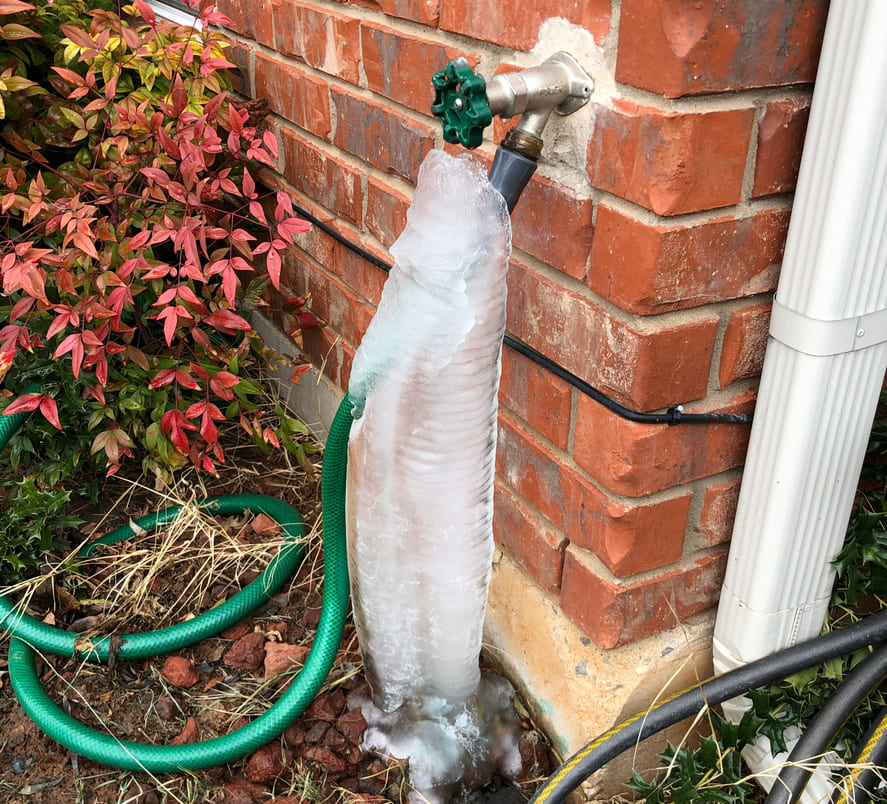
Remove every outdoor hose before freezing weather arrives. Drain them completely and store them indoors. Close the inside valve that supplies your outdoor faucets, then open the outside valve to drain any remaining water. Keep that outside valve open – if any water's left, it can expand without bursting your pipe. A connected hose traps water that can freeze and damage both the hose and your indoor plumbing.
2. Insulate Exposed Pipes in Attics, Basements, and Crawlspaces
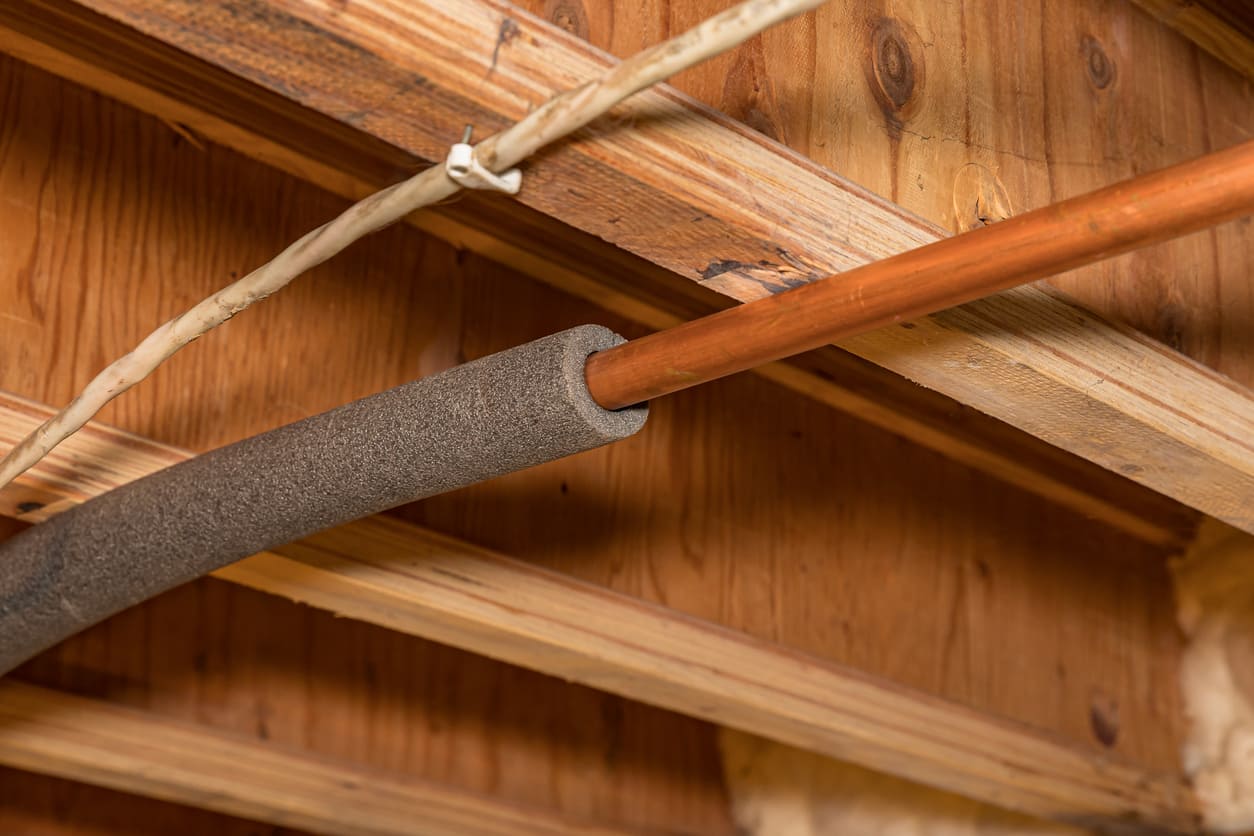
Wrap exposed water lines with foam pipe sleeves or pipe insulation. Start with pipes in unconditioned spaces, then tackle those along exterior walls. Don't forget – both hot and cold water pipes need this protection in unheated areas. Add extra insulation to your attic, basement, and crawl spaces too.
3. Seal Cracks and Gaps Around Pipe Entry Points
Hunt down every gap where pipes enter through exterior walls. Even tiny openings under 1/4 inch let cold air reach your pipes. Caulk or expandable foam seals these spots fast. You'll prevent cold air from reaching your pipes and boost your home's insulation at the same time.
4. Install Heat Tape or Pipe Sleeves Where Needed
Got pipes in super-vulnerable spots? Install UL-listed heat tape or heat cable. These products keep pipe temperatures above freezing automatically. Some even have sensors that monitor themselves. Follow the manufacturer's directions exactly – never overlap heat tape because it creates a fire hazard.
5. Keep Cabinet Doors Open Under Sinks on Cold Nights
Open those kitchen and bathroom cabinet doors when cold weather hits. Warmer air flows around your plumbing fixtures, especially those along exterior walls. This simple trick can raise pipe temperatures by 9 degrees – often enough to prevent freezing.
6. Let Faucets Drip to Keep Water Moving
During extreme cold, let your faucets drip slightly – especially those connected to exposed pipes. Moving water, even a trickle, resists freezing. It also relieves pressure between ice blockages and faucets, reducing your burst risk when things thaw out.
7. Keep Indoor Temperature Above 55°F
Set your thermostat to the same temperature day and night. Whether you're home or away, never let it drop below 55°F. Yes, your heating bill goes up temporarily, but it's nothing compared to the cost of frozen and burst pipes.
8. Drain Unused Water Systems Like Sprinkler Lines
Follow manufacturer directions to drain your pool and sprinkler lines completely. Don't use antifreeze unless specifically told to – it harms the environment, pets, and landscaping. For sprinklers, compressed air blows out remaining water effectively.
DIY Tips Help Knoxville Residents Avoid Costly Repairs
Want to save thousands on winter plumbing repairs? These simple DIY tricks protect your pipes when temperatures drop – and cost almost nothing to implement.
Use non-toxic antifreeze in unused drains
Pour about two cups of non-toxic RV antifreeze (propylene glycol-based) into every drain trap after draining your system. This prevents standing water from freezing and cracking your fixtures.
For toilets, scoop out as much water as you can with a cup or sponge, then fill the bowl until no air space remains at the bottom. This stops sewer odors from escaping while protecting your fixture. Never use automotive antifreeze (ethylene glycol) – it's toxic and dangerous for your home's water system.
Open interior doors to improve heat circulation
Keep doors open throughout your house! Even pipes in the middle of your home can freeze on really cold nights because most houses don't heat evenly. Open those bathroom and kitchen cabinet doors too – warmer indoor air circulates around your plumbing and prevents ice buildup around vulnerable pipes. This works great overnight or when you're away from home.
Check attic and crawlspace insulation regularly
Take a look at your attic insulation – if it sits level with or below your floor joists, you need more material. Make sure it's spread evenly without low spots, especially along the eaves where coverage often falls short. Good insulation regulates water temperature inside your pipes, giving you long-term protection against frequent cold snaps.
What Happens When Knoxville Pipes Freeze?
Don't let frozen pipes turn your Knoxville home into a disaster zone. Local plumbing experts see the aftermath every winter – and it's not pretty.
Frozen pipes become ticking time bombs
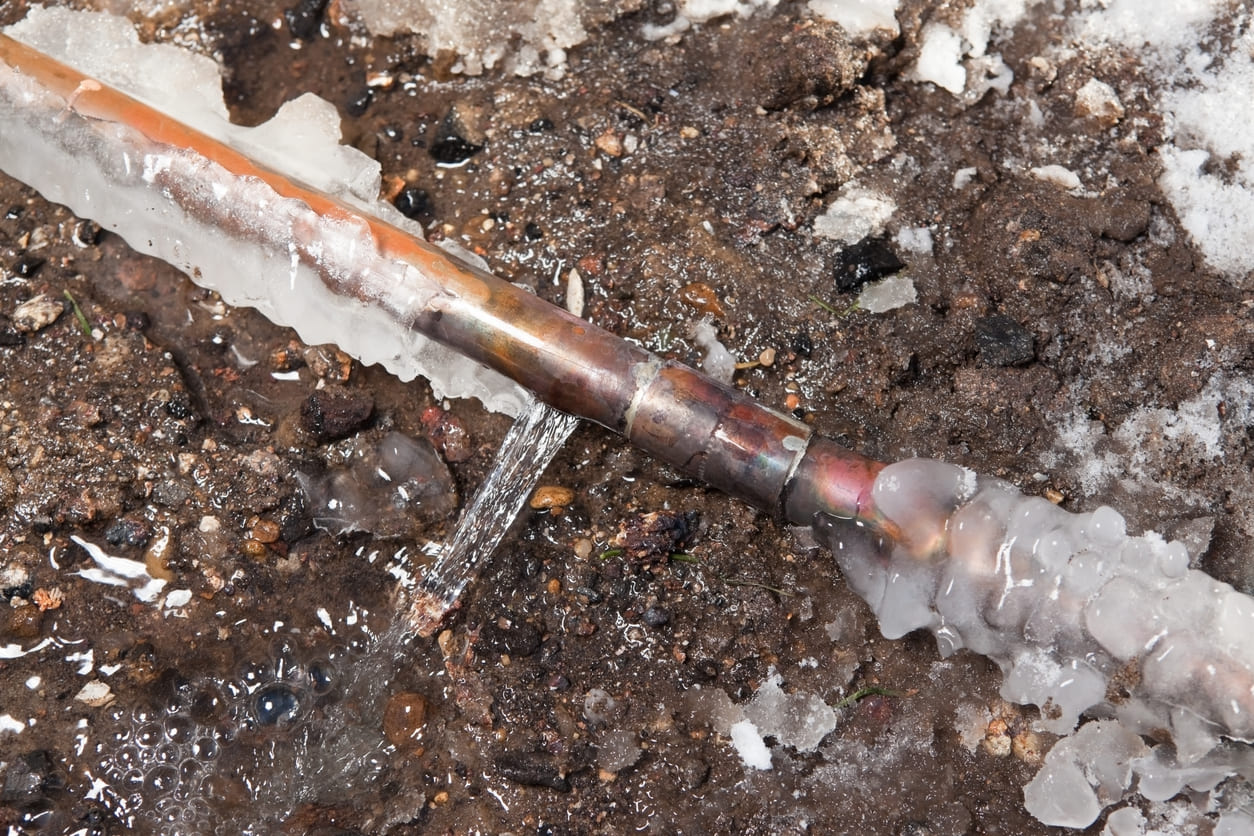
When temperatures hit 32°F, water inside your pipes freezes and expands up to 9%. That creates massive pressure inside your pipe walls. Think of it like a bomb waiting to explode. Once your pipes crack or burst, city water pressure pushes hundreds of gallons through those breaks in minutes.
"We had customers who were out of town when their neighbor called about water running from the garage. They returned to find their dining room, kitchen, and living room needed complete remodeling—a $50,000 to $60,000 loss that insulation could have prevented," reports a Knoxville plumber.
The real cost of frozen pipe damage
Frozen pipes hit your wallet hard. The average repair bill? $27,000. About 250,000 homes nationwide deal with frozen pipe damage every single year. Here's what you're looking at:
- Plumbing repairs: $300-$1,000 per damaged section
- Water extraction: $1,000-$3,000
- Structural repairs: $2,000-$10,000+
Good news? Most homeowners insurance covers burst pipe damage if you properly maintained and heated your home. Call Sanders Plumbing if you experience frozen pipes – we'll minimize the damage and get repairs started fast.
Nobody wants to deal with this mess
Burst pipes don't just cost money. Families get kicked out of their homes during repairs. Property managers deal with displaced tenants, damaged buildings, and business shutdowns. Even small pipe breaks can snowball into major headaches if you don't act quickly.
Conclusion
Your Knoxville home's pipes don't have to become winter casualties. Those simple winterization steps we covered can save you thousands in repair bills and keep your water flowing all season long.
Focus on those trouble spots first – pipes in attics, crawl spaces, and along exterior walls need your attention most. Even here in mild Tennessee, surprise cold snaps can catch unprepared plumbing systems off guard.
The eight steps we outlined work. Disconnect those hoses, insulate exposed pipes, and keep that thermostat at 55 degrees minimum. These small actions prevent big problems. Opening cabinet doors and letting faucets drip during cold snaps? Simple moves that work every time.
Keep checking your insulation throughout winter. Seal those gaps where cold air sneaks in. A few minutes of inspection can prevent weeks of headaches later.
Don't ignore the warning signs. Average repair costs reach $27,000 when pipes burst, and that's just the beginning. Water damage destroys walls, floors, furniture, and belongings you can't replace. Families get displaced for weeks during repairs.
A little prevention beats a lot of repair work. You've got the knowledge now – use it before temperatures drop. These practical steps keep your plumbing system running smoothly through even Tennessee's coldest winters.
Sanders Plumbing is here if you need expert help winterizing your pipes or handling any plumbing emergency. We know Knoxville homes, and we know how to protect them.
Key Takeaways
Protecting your Knoxville home's pipes from freezing requires proactive steps that cost far less than the average $27,000 repair bill from burst pipes.
- Focus on vulnerable areas first: Pipes in unheated spaces like attics, crawlspaces, and along exterior walls face the highest freeze risk in Knoxville homes.
- Follow the 8-step winterization process: Disconnect outdoor hoses, insulate exposed pipes, seal gaps, maintain 55°F+ indoor temperature, and keep cabinet doors open during cold nights.
- Use simple prevention tactics: Let faucets drip during extreme cold, open interior doors for heat circulation, and add non-toxic antifreeze to unused drains.
- Inspect and maintain regularly: Check insulation levels, seal pipe entry points, and examine for air leaks to prevent cold air from reaching your plumbing system.
- Act before temperatures drop: Southern homes like those in Knoxville are more vulnerable to freeze damage because they're built for heat, not cold, making prevention crucial.
Even in Tennessee's mild climate, unexpected cold snaps can cause devastating pipe damage. Taking these preventative measures now protects your home from water damage, costly repairs, and potential displacement during winter months.
Why You Should Trust Sanders Plumbing
Talk to Sanders Plumbing Company about your low water pressure issues today. Their expert technicians will find the root cause and create lasting solutions. They can replace faulty PRVs or install booster pumps that reshape your water flow. Without doubt, professional help ensures your system runs at the ideal 40-60 PSI range while protecting your plumbing infrastructure.
Your home will benefit from stronger showers, faster-filling appliances, and steady water pressure. This approach also protects your plumbing system from pressure-related stress. Don't put up with weak water flow any longer - take action today. The difference in your morning shower will amaze you!
Meet the Founders: Vickie and James (Pete) Sanders
Vickie Sanders's bright personality and leadership drive Sanders Plumbing Company's success. She and her husband Pete (James W. Sanders) have built the company together over 35 years. People often call her "the neck that turns the head" of the business. She handles operations, marketing, payroll, and HR with skill. Knoxville's community knows her for local networking, gardening, love of hippos, and amazing cooking skills. Her treats often make their way to the office. Vickie's leadership style creates a warm, family-like atmosphere at the company.
James W. "Pete" Sanders started his plumbing journey as a child working with his father. He went to trade school during high school and worked at a local plumbing company until 1984. He launched Sanders Plumbing in 1989 and became one of Knoxville's youngest plumbers to earn a Master's license. The company grew into a respected local institution under his guidance, known for expertise and integrity. Pete serves on the Executive Advisory Board of Success Group International and maintains high industry standards. He and Vickie have two children and strong ties to the Knoxville community.
Truly Locally Owned Location and Business
Sanders Plumbing Company serves homeowners throughout Knox County from their Knoxville, Tennessee base. Their customer care and plumbing services reach homes across the local community.


"