


If you’ve ever poured baking soda and vinegar down a clogged drain hoping for a quick fix, you’re definitely not alone. Social media and DIY blogs make this homemade remedy look like a miracle solution — but what do professional plumbers actually think about it? At Sanders Plumbing, we’ve seen firsthand what works, what doesn’t, and the costly mistakes homeowners make when trying to clear drains themselves. Before you try the fizzing trick again, here’s the honest truth about baking soda and vinegar drain cleaners and what plumbers really recommend instead.
What Professional Plumbers Actually See
Baking soda and vinegar just neutralize each other. You get water, gas bubbles, and salt – nothing that can actually dissolve hair clogs or cut through grease buildup! That fizzy reaction looks impressive, but it's basically a science fair project happening in your sink.
We've seen this method make clogs worse plenty of times. The fizzing can push debris deeper into your pipes, and undissolved baking soda sometimes hardens into cement-like masses that require professional removal. One customer needed us to replace their entire drain trap after dumping three cups of baking soda down their kitchen sink.
What actually works? Hot water with dish soap cuts through grease effectively. Drain snakes pull out hair and solid blockages. Enzyme-based cleaners break down organic buildup without damaging your pipes.
You can prevent most drain problems with simple weekly maintenance. Pour hot water down your drains once a week. Install drain screens to catch debris before it goes down. Never put grease, coffee grounds, or fibrous materials down your drains.
Call Sanders Plumbing when multiple drains clog at once, water backs up into other fixtures, or you hear gurgling sounds from your drains. These signs point to serious sewer line problems that need professional attention right away.
The chemical reaction between these two household items creates water, carbon dioxide gas, and a mild salt, not a powerful drain cleaner. While this method may help with minor debris in drains that are just starting to accumulate buildup, it's ineffective for significant clogs caused by grease, hair, or soap scum. Sanders Plumbing has seen too many homeowners make their drainage problems worse with this popular home remedy. Let's show you what really works for your drains!
What Professional Plumbers Really Think About This Home Remedy
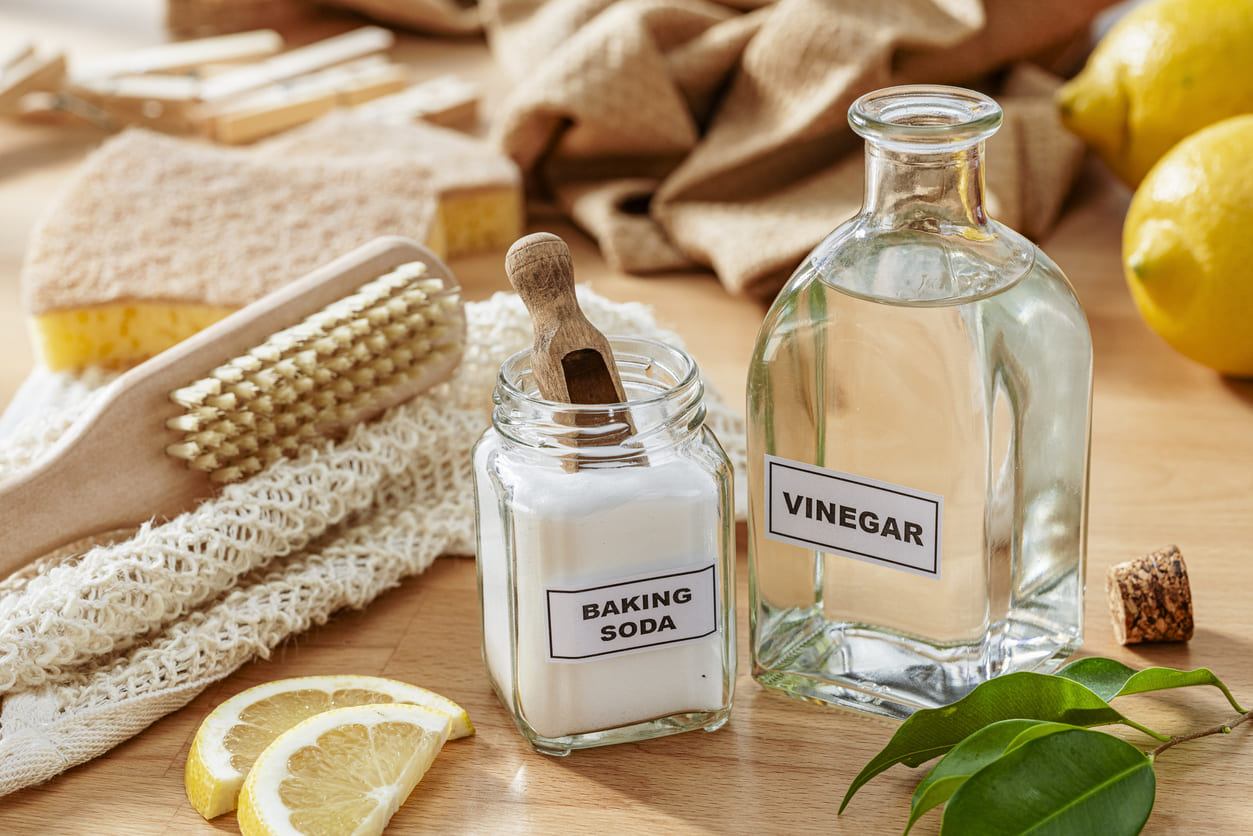
Professional plumbers deal with the aftermath of baking soda and vinegar attempts regularly. The fizzing looks impressive, but here's what actually happens: you get carbon dioxide gas, water, and salt. That's it. None of these can break down hair clogs, dissolve hardened grease, or push through soap scum buildup.
The Problems We See Every Day
One experienced plumber put it simply: "The combination might loosen very minor grease buildup near the surface, but it's completely useless for hair-based clogs in bathroom drains."
The fizzing action creates no real pressure. Drain systems aren't sealed containers like a science experiment. Any pressure created escapes instantly through the drain opening or plumbing vents. Most blockages sit deep within your plumbing system, not in your sink basin where the reaction occurs.
Repeated use creates bigger headaches. The salt residue left behind contributes to future buildup, especially when pipes already have grease coating. Vinegar's acid content corrodes older pipes and damages rubber seals over time. Some homeowners make their clogs worse when undissolved baking soda combines with existing debris to create hardened masses.
Why the Chemistry Doesn't Work
Baking soda and vinegar neutralize each other completely. The reaction is NaHCO₃ + CH₃COOH → CO₂ + H₂O + NaC₂H₃O₂. Once the fizzing stops, you have neutral water with dissolved salt. Both ingredients lose their cleaning power.
Baking soda works as a degreaser because it's alkaline. Vinegar disinfects because it's acidic. When you mix them together, you eliminate both properties. The reaction produces no heat, no strong cleaning agent, and no sustained action.
Real drain blockages consist of grease and fats, matted hair, soap scum, food particles, and mineral deposits. A brief burst of bubbles can't generate enough force to dissolve these stubborn materials.
What Really Happens After the Fizz
The visible fizzing lasts less than a minute. After that, you have plain water with dissolved salt. No ongoing cleaning action whatsoever.
Minor surface debris near the pipe opening might loosen enough that hot water flushing temporarily improves drainage. But the actual clog remains intact. That's why the same problem returns quickly, often worse than before.
What Happens When Baking Soda and Vinegar Goes Wrong
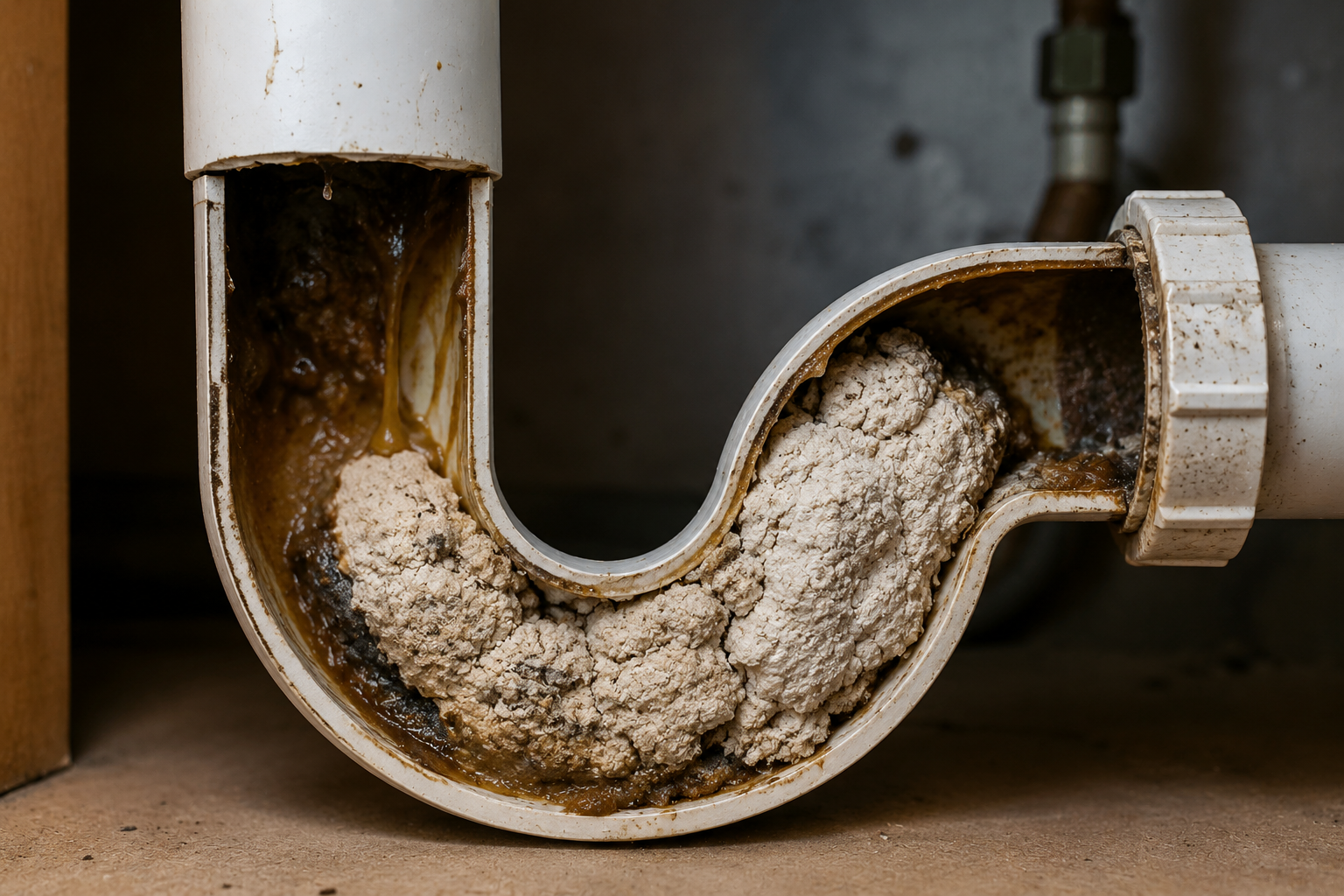
Here's what plumbers see all the time: homeowners trying to fix a simple drain clog end up creating a bigger mess. Pour baking soda down your drain without dissolving it completely? It settles into your pipes and hardens like cement.
New Clogs Worse Than Your Original Problem
One customer dumped three cups of baking soda down their kitchen sink thinking more would work better. The plumber had to replace the trap, tailpiece, and dishwasher drain connection because that hardened baking soda wouldn't budge even with professional equipment.
The mixture doesn't always wash through your pipes like you'd expect. It mixes with grease and gunk already in there, creating a stubborn new blockage that's harder to clear than what you started with. Your simple clog just became an expensive repair job.
Your Pipes Pay the Price
Think you're being gentle on your plumbing? Think again. Each time you use this mixture, you're slowly damaging your system. The chemical reaction creates heat and pressure that wears down PVC pipes faster than normal use. Older homes face bigger risks because rubber seals and metal connections break down from repeated acid and alkaline exposure.
Vinegar eats away at copper pipes over time. What starts as a harmless home remedy ends up causing leaks or even burst pipes. Trying to avoid a plumber's bill now could cost you thousands in pipe replacement later.
Pushing Problems Deeper Into Your System
That bubbling action looks like it's working, right? Wrong. Plumbers warn that the fizzing often makes your situation worse by pushing debris further down the pipe. Once your clog moves deeper into the system, you can't reach it with regular tools anymore.
The pressure from baking soda and vinegar isn't strong enough to break through solid clogs. It just relocates your problem to a harder-to-reach spot in your drainage system. Now your plumber needs specialized equipment to fix what could have been a simple surface-level repair.
What Works Better Than Baking Soda and Vinegar
Hot Water and Dish Soap That Actually Works
Skip the baking soda experiment. Professional plumbers recommend hot water and dish soap for grease clogs. Boil a full kettle of water, then squirt dish soap directly into your drain. The soap cuts through grease buildup inside the pipe. Pour the boiling water slowly down the drain and let it sit for a few minutes. Follow up with cold water - the temperature change makes debris contract and break loose. This method works when you first notice your water draining slower than usual.
Drain Snakes Get the Job Done
Drain snakes work on smaller pipes from 1-1/4″ to 2″ diameter - perfect for kitchen and bathroom sink clogs. Augers handle bigger pipes like toilets and shower drains in the 1-1/2″ to 3″ range. Insert the tool until you hit resistance, then rotate gently to break apart or hook the blockage. Motorized snakes pack more power than manual ones for tough clogs deeper in your pipes. Don't push too hard or you might damage pipes and push the clog further down where it can't be reached.
Enzyme Cleaners That Keep Working
Enzyme cleaners use bacteria that eat organic matter - they break down grease, hair, and soap scum without harsh chemicals. These cleaners need 8-24 hours to clear clogs. They work best for prevention rather than emergency fixes, keeping organic buildup from forming in your drain lines. Unlike chemical cleaners, enzyme products won't eat away at your pipes or damage septic systems.
When You Need Professional Help
Call a plumber when multiple drains clog at once - that signals a main sewer line problem. Other warning signs include repeated blockages in the same spot, gurgling sounds from drains, bad smells, or water backing up into other fixtures. If DIY methods fail after one or two tries, get professional help before you cause more damage.
How to Prevent Drain Clogs Before They Start
Weekly Maintenance Plumbers Recommend
Prevention beats emergency plumbing calls. Pour a kettle of hot water down your kitchen sink once weekly to melt fats and grease that collect inside pipes. Pour slowly to avoid splashing. Install drain screens over all drain openings to catch food, hair, and soap scum before they enter pipes.
Use enzyme-based drain cleaners monthly as preventive maintenance. These products remove gunk that leads to clogs without damaging pipes or septic systems.
What Never to Put Down Your Drains
Certain substances destroy your plumbing faster than others:
- Grease, fats, and cooking oils solidify inside pipes
- Coffee grounds accumulate like sediment
- Eggshells create granular waste that combines with grease
- Rice and pasta expand when exposed to water
- Fibrous vegetables like celery and onion skins
- Starchy foods including potato peels
- Paint and paint thinner
- Paper products except toilet paper
- Produce stickers stick to pipes
Pour grease into sealable containers and dispose in trash. Similarly, avoid putting banana peels, coffee grounds, and potato skins in garbage disposals.
Signs You Need Professional Help Now
Call a plumber when water drains slowly in multiple areas simultaneously, indicating main sewer line problems. Gurgling sounds signal air pockets caused by blockages. Foul sewage smells suggest partial sewer line blockage. Water backing up through sinks or floor drains requires immediate professional attention.
Why You Should Trust Sanders Plumbing
Talk to Sanders Plumbing Company about your low water pressure issues today. Their expert technicians will find the root cause and create lasting solutions. They can replace faulty PRVs or install booster pumps that reshape your water flow. Without doubt, professional help ensures your system runs at the ideal 40-60 PSI range while protecting your plumbing infrastructure.
Your home will benefit from stronger showers, faster-filling appliances, and steady water pressure. This approach also protects your plumbing system from pressure-related stress. Don't put up with weak water flow any longer - take action today. The difference in your morning shower will amaze you!
Meet the Founders: Vickie and James (Pete) Sanders
Vickie Sanders's bright personality and leadership drive Sanders Plumbing Company's success. She and her husband Pete (James W. Sanders) have built the company together over 35 years. People often call her "the neck that turns the head" of the business. She handles operations, marketing, payroll, and HR with skill. Knoxville's community knows her for local networking, gardening, love of hippos, and amazing cooking skills. Her treats often make their way to the office. Vickie's leadership style creates a warm, family-like atmosphere at the company.
James W. "Pete" Sanders started his plumbing journey as a child working with his father. He went to trade school during high school and worked at a local plumbing company until 1984. He launched Sanders Plumbing in 1989 and became one of Knoxville's youngest plumbers to earn a Master's license. The company grew into a respected local institution under his guidance, known for expertise and integrity. Pete serves on the Executive Advisory Board of Success Group International and maintains high industry standards. He and Vickie have two children and strong ties to the Knoxville community.
Truly Locally Owned Location and Business
Sanders Plumbing Company serves homeowners throughout Knox County from their Knoxville, Tennessee base. Their customer care and plumbing services reach homes across the local community.


"