

Key Takeaways on Submersible Well Pumps Troubleshooting
Understanding the warning signs of submersible well pump failure and taking proactive action can prevent costly emergency repairs and extend your pump's lifespan beyond the typical 8-15 years.
• Watch for six critical warning signs: Low or fluctuating water pressure, short cycling or constant running, unusual noises, air sputtering from faucets, sediment in water, and unexpectedly high electricity bills all signal pump problems requiring immediate attention.
• Perform basic diagnostics before calling professionals: Test your pressure switch, inspect the pressure tank for waterlogging, check control box wiring, and verify well water levels to identify simple fixes you can handle yourself.
• Prevent failures through regular maintenance: Schedule annual professional inspections, install dry-run protection devices, maintain electrical components, and keep your well properly sealed to avoid premature pump breakdown.
• Address electrical issues immediately: If your breaker trips repeatedly, the pump hums without starting, or you notice burned terminals, stop using the system to prevent motor damage and potential fire hazards.
• Never ignore dry-running conditions: Running a submersible pump without adequate water destroys motors within minutes to hours, making low water level monitoring essential for system longevity. Submersible well pumps troubleshooting begins with catching small problems before they escalate into emergencies that get pricey. Most submersible well pumps last between 8 and 15 years, but many failures happen too soon when warning signs go unnoticed. Your pump shows you specific symptoms when trouble is brewing. Low water pressure, strange noises, or frequent cycling are your pump's way of calling for help. Understanding how to tell if well pump is bad can save you thousands in repairs. Sanders Plumbing has seen how attention paid early prevents complete system breakdowns throughout the greater Knoxville area. This piece walks you through well pump troubleshooting steps, common submersible pump repair needs, and practical fixes for when your submersible pump stops working and leaves you without water.
Warning Signs Your Submersible Well Pump is Failing
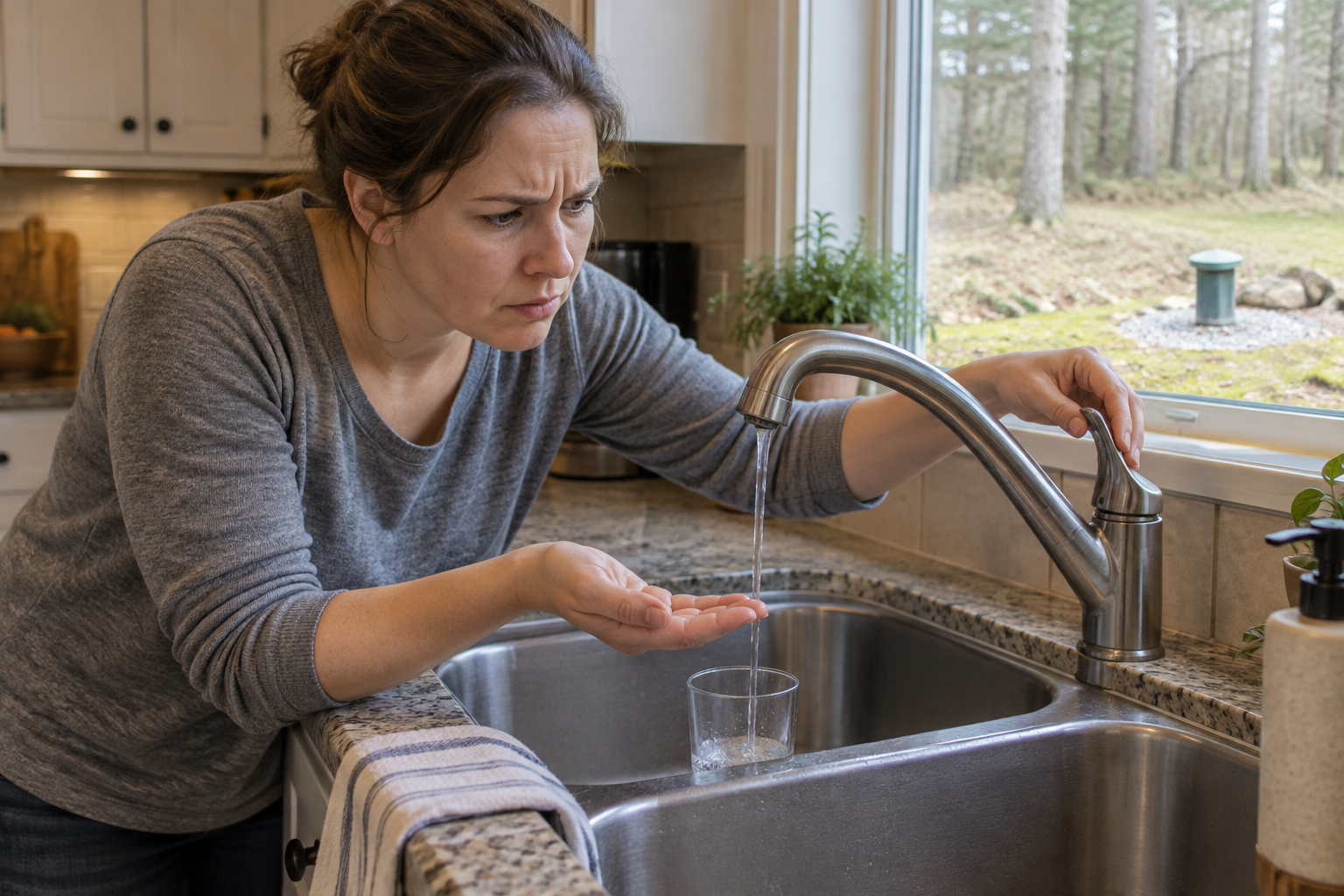
You can recognize submersible pump failure by paying attention to changes in your water system's behavior. Most homeowners notice these warning signs weeks or even months before complete breakdown occurs.
Low or Fluctuating Water Pressure
Water pressure that surges then drops signals trouble. You might experience intense pressure at the time you first turn on a faucet, followed by flow that decreases to just a trickle within seconds. This pattern often points to a waterlogged pressure tank where the bladder has failed. Pressure fluctuations between 38 PSI and 58 PSI over 10-second intervals indicate your system can't maintain stable pressure. Your pump works harder without delivering consistent results once the pressure tank loses its air cushion.
Short Cycling or Constant Running
A pump that runs for 5-15 seconds before shutting off, then restarts right away, damages motor windings and electrical components. This rapid cycling can happen 20 to 60 times per hour. You'll hear the pressure switch clicking repeatedly once you open any tap. A pump that runs without shutting off suggests the system can't build adequate pressure. Both patterns indicate failing components that need attention right away.
Unusual Noises or Vibrations
Grinding sounds mean metal-on-metal contact inside your pump from worn bearings or sand damage. A humming pump that produces no water signals a seized impeller or failed start capacitor. Cavitation creates a distinctive popping or gravel-like noise once the pump draws water faster than the well can supply. Screaming or high-pitched whining indicates severe mechanical stress that requires shutdown right away.
Air Sputtering from Faucets
Faucets that spit air in bursts instead of steady flow indicate air entering your system. Worn pump seals, cracked foot valves, or loose fittings allow air to sneak into the water line. Sputtering that worsens over time, combined with reduced pressure, points to pump cavitation or a failing check valve.
Sediment in Your Water
Sand or sediment flowing from taps suggests your submersible pump sits too low in the well, less than 10-20 feet from the bottom. A degraded well screen or oversized pump can also draw sediment into your water lines. This issue damages pump valves and clogs fixtures throughout your home.
High Electricity Bills
A failing pump draws more power to deliver the same water volume. Pumps running 6-12+ hours daily instead of 1-3 hours can triple your electric bill. Short cycling from a failed check valve forces your pump to run 24 hours a day. Your pump cycles 50-100+ times per day rather than the normal 10-30 cycles, and you're paying for excessive energy consumption.
Common Submersible Pump Problems and How to Fix Them
Submersible well pump troubleshooting moves from spotting warning signs to fixing actual failures. Understanding the root cause saves both time and money. These five problems account for most service calls in Tennessee wells of all types.
Pump Not Turning On (Electrical Failure)
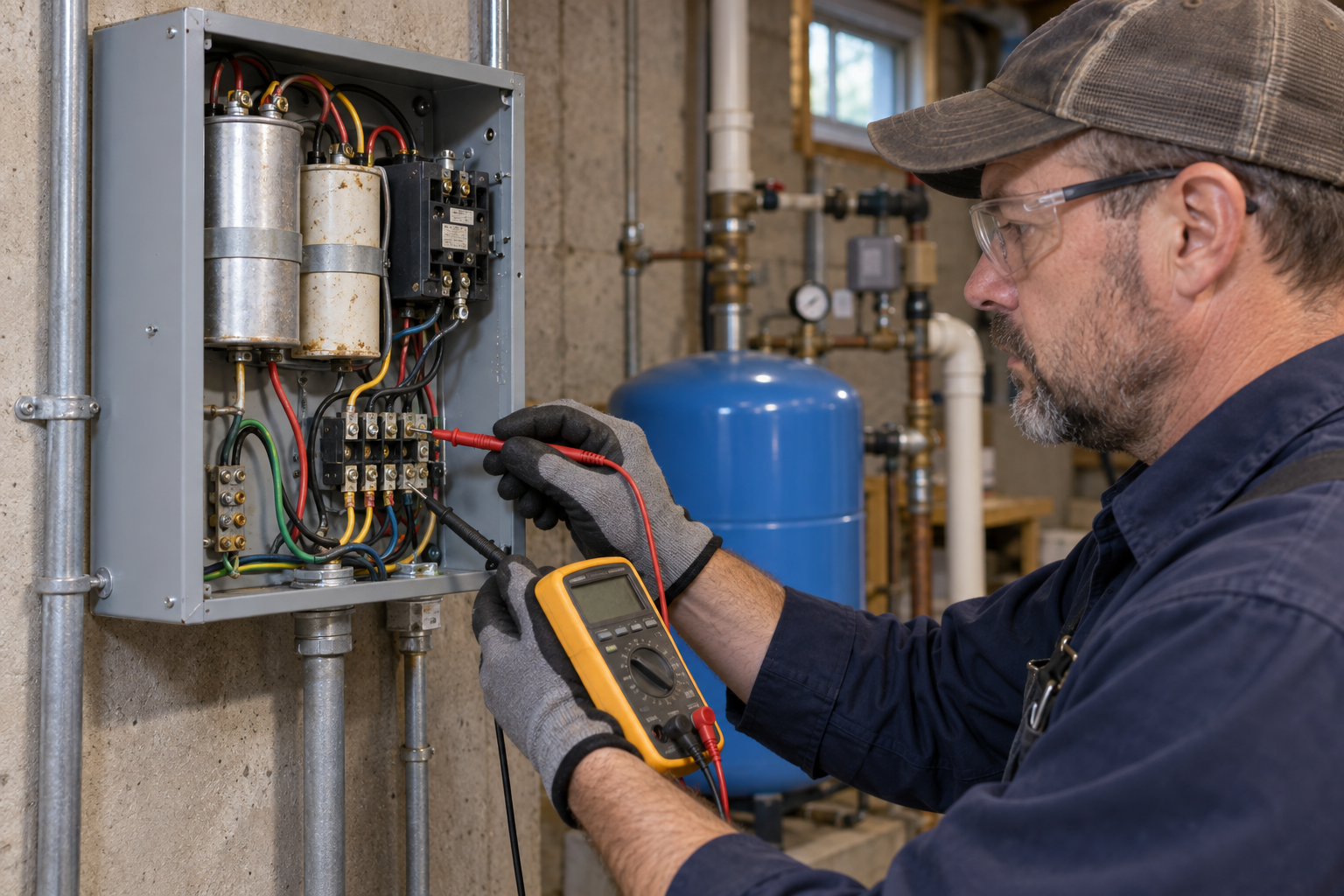
Check your circuit breaker first. A tripped breaker is the most common cause of complete pump silence. Reset it once, but stop if it trips again. Pressure switch contacts corrode over time and fail to signal the pump to start. Test continuity across switch terminals with a multimeter. Failed start capacitors produce an audible hum from the control box without motor engagement. Capacitors degrade over 5 to 10 years of cycling. Control box replacement costs USD 150.00-400 based on horsepower rating.
Pump Running But No Water Coming Up
Low water level is the number one cause and accounts for about 30% of cases. The pump pulls air instead of water when the static level drops below the intake. Turn off the pump right away since running dry destroys motors in minutes to hours. Broken drop pipes leak water back into the well before reaching the surface. Failed check valves prevent water from flowing upward or allow it to drain back between cycles. Air locks trap pockets that block flow in jet pumps.
Well Pump Troubleshooting: Breaker Keeps Tripping
A breaker that trips within seconds indicates a failed or seized pump motor. Shorted motor windings cause instant trips. Clogged impellers force motors to draw excessive current and trip breakers until debris clears. Ground faults from water-damaged insulation produce trips that mimic motor faults. Loose or corroded wiring increases electrical resistance and generates heat.
Submersible Pump Not Working Due to Clogging
Debris like rags and wipes clog impellers in wastewater applications and force motors to work harder. Sand and sediment accumulation restricts flow and reduces cooling capability. Install screens or trash racks to intercept large debris before it reaches the pump.
Motor Overheating Issues
Submersible pumps depend on water flowing past the motor for cooling. Low water levels cause pumps to overheat within minutes when running dry. Continuous operation from waterlogged tanks or large demand exceeds design limits. Electrical problems like low voltage or loose connections cause motors to draw excess current and overheat.
Before You Call for Submersible Pump Repair: What to Check First
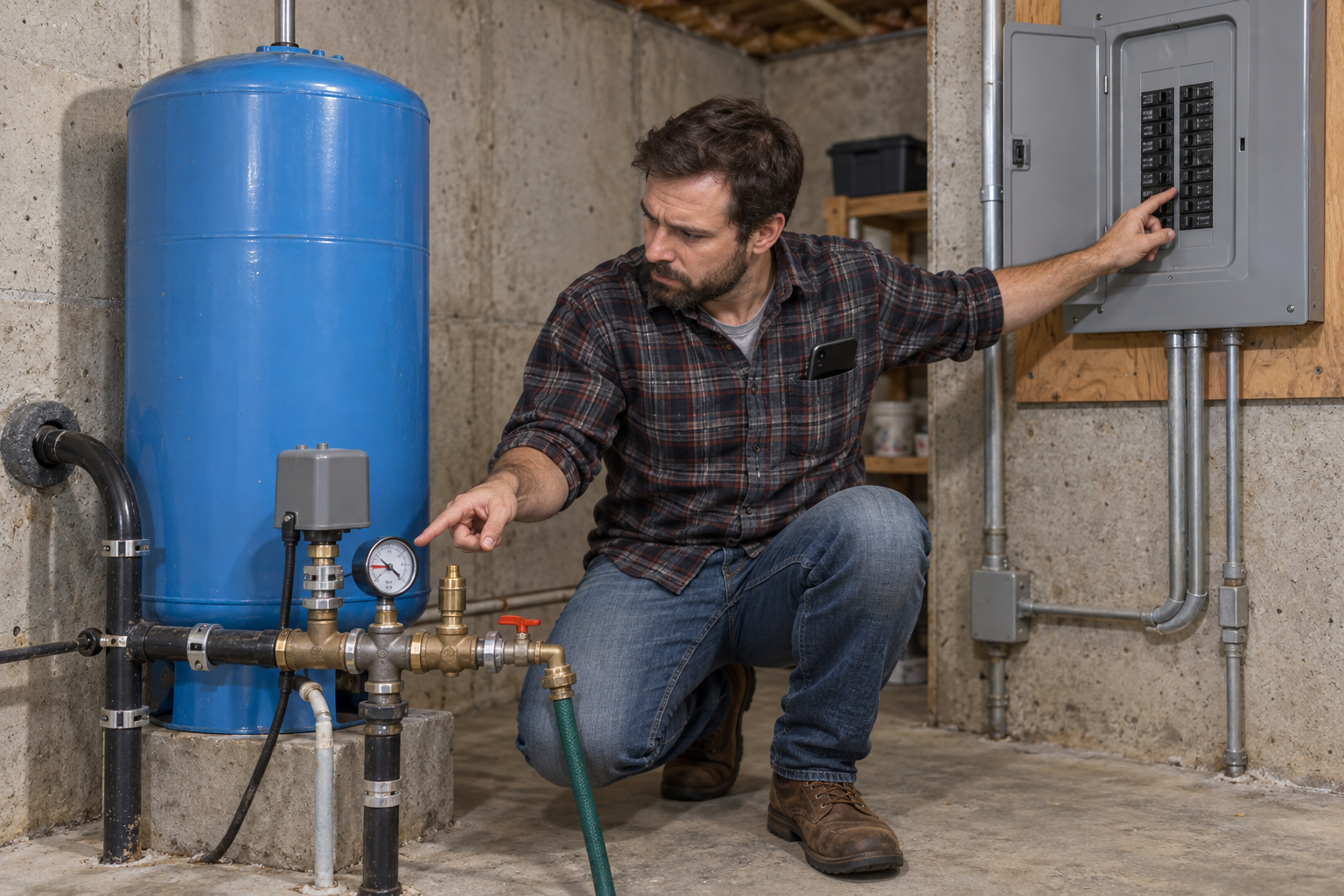
Most well pump troubleshooting starts with four simple checks you can perform yourself before scheduling submersible pump repair. These diagnostics help pinpoint whether you need professional intervention or a simple adjustment.
Test Your Pressure Switch
Confirm power reaches your system first. The circuit breaker shouldn't have tripped. Take off the pressure switch cover and look for burned or corroded contacts. Pitted contacts indicate the switch reached end of life and needs replacement. Tap the tube below the switch sharply with a screwdriver handle. The pressure switch is faulty if you see a spark and the pump starts. Test switch operation by running water and noting the PSI when the pump activates (cut-in pressure) and when it shuts off (cut-out pressure).
Inspect the Pressure Tank
Tap the tank 4 inches from the top and 8 inches from the bottom to perform the knock test. A healthy tank sounds hollow on top and dull on the bottom. The tank is waterlogged if both spots sound the same. Look at the air valve on top of the tank. Press a tire gage against it. Only air should come out. Water indicates a ruptured bladder that requires tank replacement. Your pressure switch's cut-in point should be 2 PSI above the ideal air pressure.
Check the Control Box and Wiring
The control box needs inspection for bulging or leaking capacitors, which must be replaced. Burned terminals or melted insulation signal overheating. Tighten all wire connections inside the box, as stranded wire under screw terminals loosens over years.
Verify Water Levels in the Well
Let your well rest several hours and then measure static water level. Drop a small rock down the well and time how long until you hear the splash. Multiply seconds by 24 for approximate depth in feet.
How to Prevent Submersible Water Pump Problems
Preventive maintenance extends pump lifespan beyond the typical 8-15 year range and reduces emergency submersible pump repair costs. Professional technicians in Tennessee see fewer failures in systems that follow these four practices.
Schedule Regular System Inspections
Annual professional inspections catch early signs of wear before they require submersible water pump repair. Technicians review motor performance, electrical connections and pressure regulation during these checkups. You should have your system inspected once every year according to industry standards. Monitor for unusual sounds, pressure fluctuations or vibration issues that signal declining efficiency between professional visits.
Protect Against Dry Running
Dry-running damages bearings and shaft seals when pumps operate without water. Float switches that shut off the pump when water levels drop below safe thresholds should be installed. Modern dry-run protection systems use sensors to detect the condition and stop the pump before damage occurs. Low-water cutoff devices alert you when levels fall to dangerous lows.
Maintain Proper Electrical Components
Pressure switch contacts need checking and cleaning on a regular basis. Wiring connections should be tightened and control boxes inspected for moisture, as these steps prolong equipment life. Electrical systems must stay dry and protected from environmental factors to minimize corrosion and shorts.
Keep Your Well Clean and Sealed
Your well cap should remain secure and watertight with no cracks. Fertilizers, pesticides and fuels must be stored away from the wellhead to prevent contamination. Vent screens prevent insects and foreign objects from entering.
Protect Your Well Pump Before Problems Get Worse
Submersible well pump problems don't fix themselves, but catching them early can help prevent thousands in repair costs. Over the last several years serving Tennessee wells, we've seen how homeowners who monitor pressure and schedule annual inspections can avoid emergency breakdowns. Your well pump often gives you warning signs before failure occurs, so paying attention to those signals and addressing small issues early can help extend the life of your system.
If you're experiencing low water pressure, unusual noises, inconsistent water flow, or other signs of trouble, Sanders Plumbing can inspect your well pump, identify the underlying problem, and recommend the right repair or replacement solution to keep reliable water flowing throughout your home.
Why You Should Trust Sanders Plumbing
Talk to Sanders Plumbing Company about your low water pressure issues today. Their expert technicians will find the root cause and create lasting solutions. They can replace faulty PRVs or install booster pumps that reshape your water flow. Without doubt, professional help ensures your system runs at the ideal 40-60 PSI range while protecting your plumbing infrastructure.
Your home will benefit from stronger showers, faster-filling appliances, and steady water pressure. This approach also protects your plumbing system from pressure-related stress. Don't put up with weak water flow any longer - take action today. The difference in your morning shower will amaze you!
Meet the Founders: Vickie and James (Pete) Sanders
Vickie Sanders's bright personality and leadership drive Sanders Plumbing Company's success. She and her husband Pete (James W. Sanders) have built the company together over 35 years. People often call her "the neck that turns the head" of the business. She handles operations, marketing, payroll, and HR with skill. Knoxville's community knows her for local networking, gardening, love of hippos, and amazing cooking skills. Her treats often make their way to the office. Vickie's leadership style creates a warm, family-like atmosphere at the company.
James W. "Pete" Sanders started his plumbing journey as a child working with his father. He went to trade school during high school and worked at a local plumbing company until 1984. He launched Sanders Plumbing in 1989 and became one of Knoxville's youngest plumbers to earn a Master's license. The company grew into a respected local institution under his guidance, known for expertise and integrity. Pete serves on the Executive Advisory Board of Success Group International and maintains high industry standards. He and Vickie have two children and strong ties to the Knoxville community.
Truly Locally Owned Location and Business
Sanders Plumbing Company serves homeowners throughout Knox County from their Knoxville, Tennessee base. Their customer care and plumbing services reach homes across the local community.


"